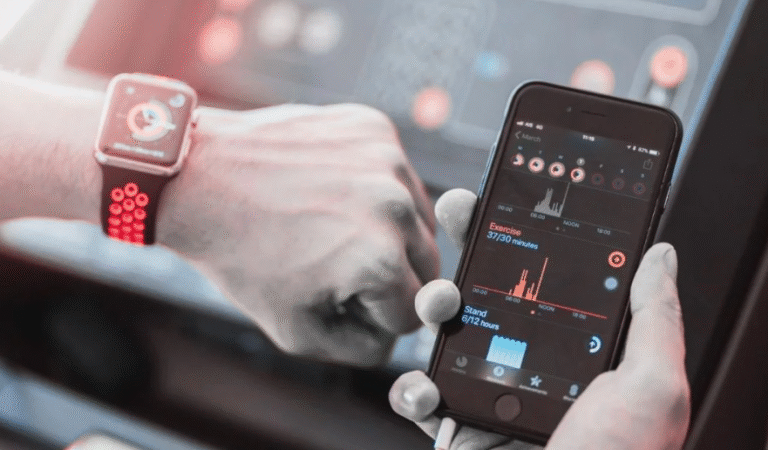
Wearable Health Technology Trends

Wearable health technology is experiencing significant advancements, particularly with the integration of smart fabrics and biometric sensors. This evolution enhances real-time data collection, offering unprecedented insights into personal health metrics. The combination of wearables and telehealth services is poised to redefine health monitoring practices. As these trends develop, they raise critical questions about the future of personalized health management and its implications for both users and healthcare providers.
The Rise of AI in Health Monitoring
As the demand for personalized health insights increases, the integration of artificial intelligence (AI) into health monitoring systems has gained significant momentum.
AI algorithms, leveraging predictive analytics, empower users to anticipate health issues before they manifest. This technology enhances the autonomy of individuals seeking to manage their wellness, providing actionable insights that facilitate informed decision-making and promote a proactive approach to health management.
See also: Boost Your Marketing 120928099 Digital Tools
How AI Enhances Personalized Health Insights
While the integration of AI into wearable health technology has transformed personal health management, the true enhancement lies in its ability to deliver tailored insights based on individual data patterns.
By analyzing vast amounts of user-generated data, AI provides personalized recommendations that empower individuals to make informed health choices.
This data-driven approach fosters autonomy, allowing users to optimize their well-being effectively.
Integrating Wearable Tech With Telehealth Services
How can the integration of wearable technology with telehealth services revolutionize patient care?
This synergy enables remote patient monitoring, yielding real-time health data that enhances clinical decision-making.
Furthermore, it empowers patients by providing them with actionable insights.
However, ensuring robust data security remains paramount, as the exchange of sensitive health information necessitates stringent protective measures to maintain patient trust and confidentiality.
Future Trends in Wearable Health Technology for 2024
The integration of wearable technology with telehealth services sets the stage for transformative advancements in patient monitoring and care.
By 2024, smart fabrics embedded with biometric sensors will revolutionize health tracking, enabling real-time data collection and analysis.
These innovations promise increased autonomy for users, fostering personalized health management while enhancing the efficiency of healthcare delivery, ultimately aligning with the evolving demands for freedom in personal health decision-making.
Conclusion
As the dawn of 2024 approaches, wearable health technology stands poised to redefine personal wellness. Like a vigilant guardian, these devices weave seamlessly into daily life, collecting vital data that illuminates individual health journeys. The integration of AI and telehealth services paints a vivid tapestry of personalized insights, empowering users to take charge of their well-being. This evolution not only enhances healthcare delivery but also nurtures a future where health management is as intuitive as breathing, fostering a deeper connection between technology and humanity.